hydrating facial

5 Hydrating Facial & Spa Treatments to Try This Summer

Summer heat, sun exposure, and chlorine or salt water strip moisture from your skin and hair faster than any other season. A good hydrating facial is the fastest way to reverse that damage, but it’s not the only spa treatment worth booking between June and August. Below are five hydrating spa treatments — starting with the hydrating facial itself — that dermatologists and estheticians recommend for dry, sun-tired, or dehydrated skin, plus how often to book them and what results to expect.

What Makes a Spa Treatment “Hydrating”?

Not every spa treatment restores moisture the same way. The most effective types of spa treatments for hydration combine three things: gentle exfoliation to remove the dead skin barrier that blocks moisture absorption, an active hydrating ingredient (hyaluronic acid, aloe, glycerin, or natural oils), and a delivery method — steam, massage, or a mask — that helps the skin actually absorb it. A treatment that only exfoliates without following up with moisture can leave skin more dehydrated than before, which is why the order and combination of steps matters more than any single product used.

Top 5 Hydrating Facial & Spa Treatments for Summer

1. Hydrating Facial Treatment

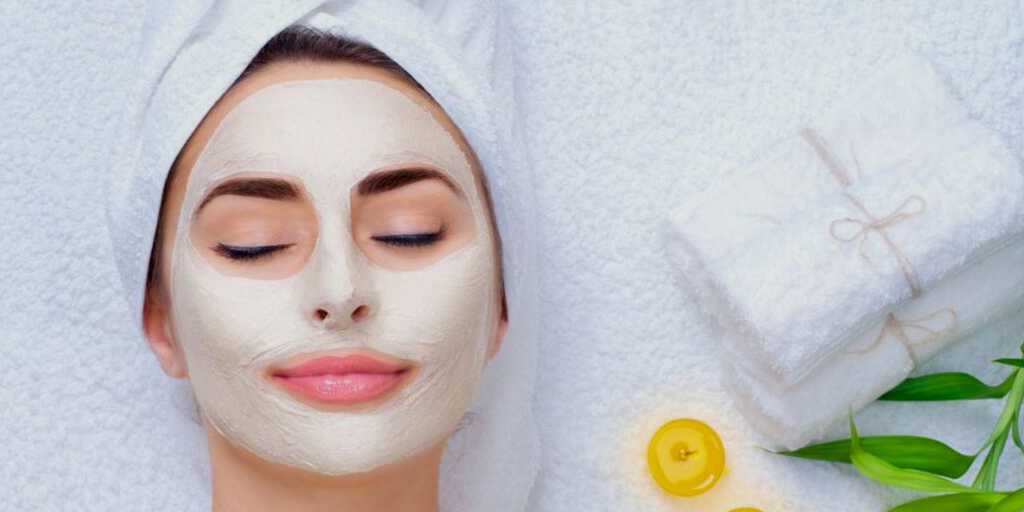
A hydrating facial is the most direct way to treat sun- and heat-damaged skin. At most salons and spas, this treatment layers three steps: gentle exfoliation to clear away dead surface cells, a deep cleanse to remove sunscreen, sweat, and pollution buildup, and an intensive moisturizing mask — usually with hyaluronic acid or aloe — to lock hydration back into the skin. Estheticians typically recommend a hydrating facial spa treatment every 3–4 weeks during summer, since heat and UV exposure deplete the skin’s natural moisture barrier faster than in cooler months. Unlike a basic cleanup, a proper hydrating facial treatment addresses both symptoms (dullness, tightness, flaking) and the underlying cause (a compromised moisture barrier), which is why it’s the highest-value treatment on this list if you can only book one. Ask your spa specifically for “hydrating” or “hydra” facial options, since standard facials at some salons skip the intensive moisture-mask step entirely.

2. Hydrating Eye Treatment

The skin around your eyes is thinner than anywhere else on your face, which makes it the first place to show dehydration — usually as dark circles, puffiness, or fine lines that get worse with summer heat and poor sleep. An eye treatment spa session typically combines cooling eye masks, caffeine or peptide-based eye creams, and a gentle massage with a jade roller or cleansing brush to reduce fluid retention and soften the under-eye area. Because the skin here is so delicate, this treatment works best as a 10–15 minute add-on to a facial rather than a standalone visit, and results (reduced puffiness, brighter under-eyes) are usually visible immediately, though they’re temporary without a consistent at-home routine to back it up.

3. Full-Body Scrub Treatment

A full-body body scrub treatment hydrates more skin, faster, than any facial-only option — it’s the treatment to book if sun and salt water have left your arms, legs, and back feeling rough or flaky. The process uses organic sugar or salt scrubs paired with an exfoliating brush to physically remove dead skin, followed immediately by a hydrating oil or lotion massage that both moisturizes and works out muscle tension from travel or heat-related stiffness. Because a body scrub covers so much surface area at once, most spas recommend spacing these out to once every 4–6 weeks in summer — more frequent than that can over-exfoliate and irritate sun-exposed skin rather than help it.

4. Hair Conditioning Treatment

Chlorine, salt water, and UV exposure don’t just affect skin — a summer of pool days and beach trips is one of the most common causes of dry, brittle hair and increased shedding. A hair conditioning treatment uses a deep-penetrating mask (often with keratin, argan oil, or shea butter) left on longer than a regular conditioner, sometimes with heat, to rebuild moisture inside the hair shaft rather than just coating the surface. This is especially worth booking if you swim regularly in summer, since chlorine is one of the fastest ways to strip both moisture and color from hair. Most stylists recommend a conditioning treatment every 2–3 weeks for chlorine-exposed hair, versus monthly for hair that’s just dealing with heat and sun.

Also read: How Spa Treatment Is Beneficial For Health

5. Facial Steaming

Facial steaming is a classic, low-cost spa facial treatments option that opens pores, improves circulation, and preps skin to better absorb the moisturizers applied afterward — which is exactly why it’s often the first step in a longer facial rather than a standalone treatment. The warm steam softens built-up oil and debris, making extractions easier and less irritating, while the improved blood flow gives skin an immediate, healthy glow. For best results, steaming should always be followed by a hydrating serum or mask while pores are still open — done alone, it can actually leave skin feeling drier once the steam evaporates. This pairs naturally with the tips in our guide on achieving flawless skin.

Also read: 5 Tricks to Get Spa Facials at Home

Building a Simple Summer Skincare Routine Around These Treatments

Spa visits work best as part of a consistent summer skincare routine, not a one-off fix. A practical cadence: a hydrating facial every 3–4 weeks, a body scrub every 4–6 weeks, hair conditioning every 2–3 weeks if you swim regularly, and daily SPF plus a hyaluronic-acid moisturizer at home to protect the results between visits. Skipping the at-home half of this routine is the most common reason people feel like spa treatments “don’t last” — a hydrating facial can only maintain its results for as long as the skin barrier it repaired stays protected from the next round of sun exposure.

Ready for a hydrating treatment yourself?

Book a session at your nearest spa this summer. Running a spa and want to make treatments like these easier to schedule, rebook, and manage? See how Salonist’s spa management software helps spas automate recurring bookings, reminders, and client retention — start a free 7-day trial, no credit card required.

FAQs: Hydrating Facial & Spa Treatments

What is a hydrating facial?

A hydrating facial is a facial treatment specifically designed to restore moisture to dry or dehydrated skin, rather than just cleaning or treating acne. It typically combines gentle exfoliation, a deep cleanse, and an intensive moisturizing mask using ingredients like hyaluronic acid or aloe vera. Unlike a standard facial, the focus is on rebuilding the skin’s moisture barrier rather than extractions or anti-aging. It’s especially recommended after sun exposure, air travel, or during dry seasons when skin loses moisture faster than usual. Most estheticians suggest booking one every 3–4 weeks for ongoing hydration.

How often should you get a hydrating spa treatment in summer?

Most estheticians recommend a hydrating facial every 3–4 weeks during summer, since heat and UV exposure deplete skin’s moisture faster than in cooler months. Body scrubs are typically spaced further apart, around every 4–6 weeks, to avoid over-exfoliating sun-exposed skin. Hair conditioning treatments should be more frequent — every 2–3 weeks — if you swim regularly in chlorinated or salt water. Eye treatments can be added to almost any facial visit without a strict schedule. The right frequency ultimately depends on your skin type and how much sun or water exposure you’re getting.

What’s the difference between a hydrating facial and a regular facial?

A regular facial is often generalized — cleansing, extractions, and a standard moisturizer — while a hydrating facial is built specifically around restoring the skin’s moisture barrier. Hydrating facials use targeted ingredients like hyaluronic acid, glycerin, or aloe rather than a one-size-fits-all product. They’re also more likely to include an intensive mask step left on longer than in a standard facial. If your skin feels tight, flaky, or dull rather than oily or acne-prone, a hydrating facial is usually the better fit. Ask your spa directly whether their “facial” includes a dedicated hydration step, since some standard facials skip it.

Are spa facial treatments worth it in summer specifically?

Yes — summer is when skin loses moisture fastest, due to a combination of heat, UV exposure, air conditioning, and chlorine or salt water from swimming. A facial that goes untreated during these months tends to compound: dehydrated skin produces more oil to compensate, which can lead to breakouts on top of dryness. Regular hydrating treatments during summer specifically help prevent that compounding effect rather than just treating it after the fact. They’re also a good opportunity to catch sun damage early, before it becomes more visible pigmentation later. For most people, summer is the season where spa facials deliver the most visible return.

How long do the results of a hydrating spa treatment last?

A single hydrating facial typically shows visible results — reduced tightness, more even tone, a brighter look — for 1 to 3 weeks, depending on how much sun and water exposure your skin faces afterward. Body scrub results (softer, smoother skin) tend to last slightly longer, around 3 to 4 weeks, since dead skin buildup takes longer to return. Results fade faster if you’re not following up with SPF and a hydrating moisturizer at home between visits. That’s why estheticians recommend treating spa visits as part of a routine rather than a single fix. Consistent bookings on the schedule above will keep results more stable over the full season.

Can spa and salon owners offer these treatments profitably?

Yes — hydrating facials, body scrubs, and conditioning treatments are among the highest-margin services a spa can offer, since the product cost per session is relatively low compared to the price charged. The main operational challenge is scheduling these multi-step treatments efficiently and making sure repeat bookings (every 3–4 weeks) actually happen, since consistency is what drives both client results and recurring revenue. Salon and spa management software like Salonist can automate appointment reminders and rebooking for exactly this kind of recurring-treatment schedule. This turns a one-time visit into a predictable, repeat-revenue service line rather than a single transaction.

Related Blogs
How Spa Treatment Is Beneficial For Health?
spa treatment

The best thing about Spa Treatment that they offer a serene and enticing environment that not only relaxes your mind Read more

Tips to Freshen Up Your Beauty Routine
Freshen Up Your Beauty Routine

Beauty routine stop being as effective as they were when initialized. The changing seasons change the needs of your skin, Read more

Steps to Prepare Your Face Before Applying Makeup
Prepare-Your-Face-Before-Applying-Makeup

Have you noticed makeup looks different on the skins of models and actresses? Is it just you or are they Read more

Tips to Keep Your Skin Glowing in Summer
skin glowing in summer

Summer is the time that brings along lots of heat, moisture, hot sun, itchy rashes, and whatnot. So, keep the Read more